Looking for images L.A. Picard Square Stern Canoe (circa 1976)

brandon_deyoung

New Member
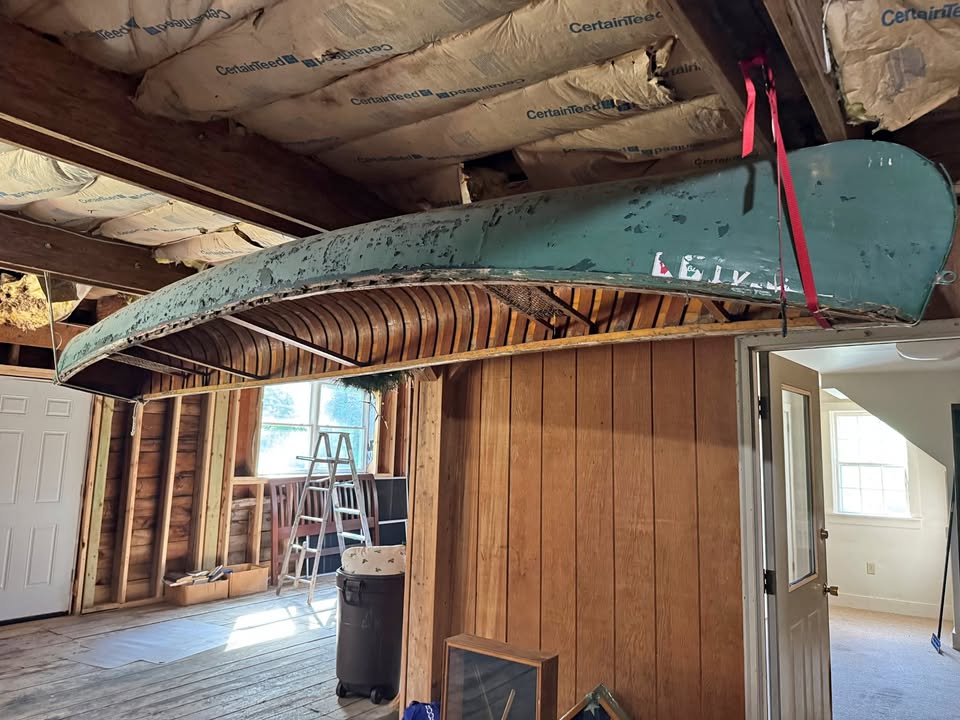
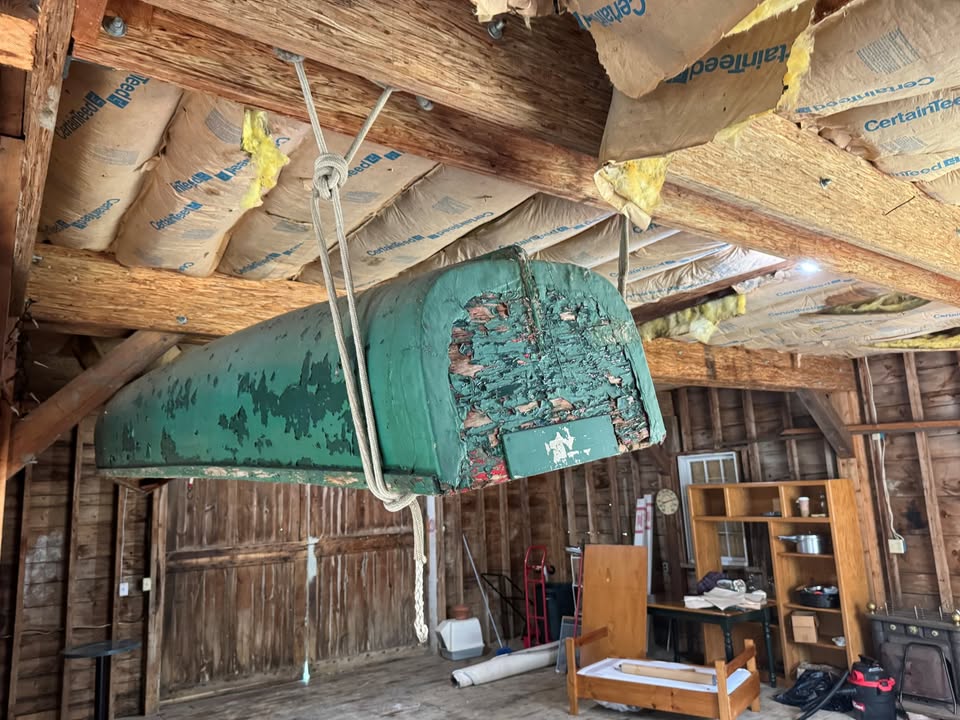
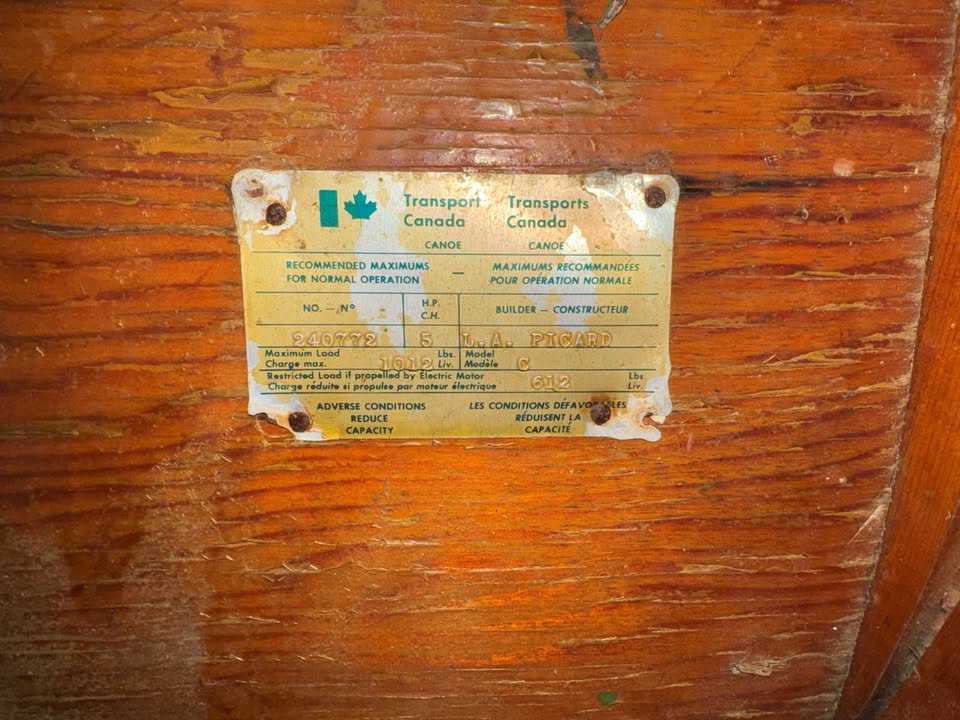
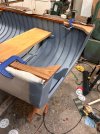
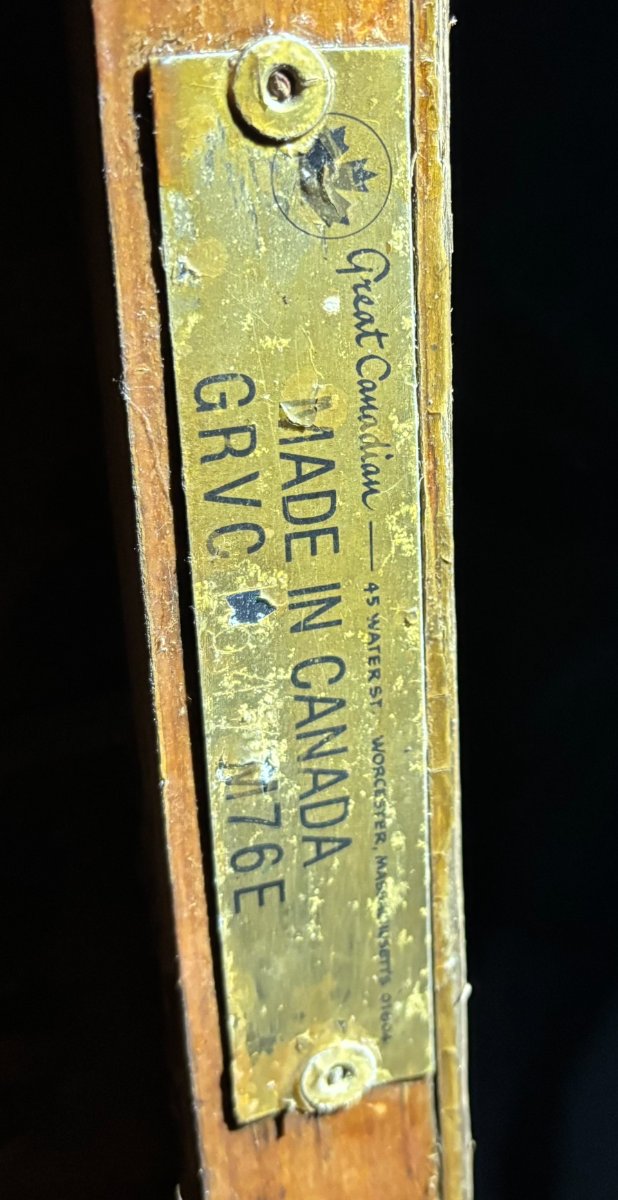
I recently rescued a 16 foot 1976 L.A. Picard square stern Canoe. It appears to have cedar ribs and a fiberglass hull. I'm planning on restoring it and am looking for images of what it looked like new. I'm mostly interested in the transom, which is very rotten and has had several repairs.
L.A.Picard_canoe-plate-2.jpg
L.A.Picard_canoe-01.jpg
L.A.Picard_canoe-02.jpg
L.A.Picard_canoe-plate-1.jpg
 
Welcome and congratulations, the available information may be limited. The old Picard catalog at https://woodencanoemuseum.org/manufacturer-catalog/picard-brothers and the classified archive at https://wcha.org/classified-archive/Great-Canadian.html don't show a square stern. The Great Canadian catalogs at https://exhibits.lib.usu.edu/exhibits/show/outdoorcatalogs_g-n/company_gallery/greatcanadiancanoe only show the covers. You may want to contact the Utah State University Library directly to see if they can send you scans showing the interior pages. Please let me know if you find a better resource for this quest. Good luck,

Benson
 
Take a few pictures of the existing inner framework, likely its as most are assembled, not much new under the sun. If its an interior framework attached to a very wide final rib, its quite easy. No outboard framing is there, making it even easier. Can put up some pics of usual framing after you post, cheers
 
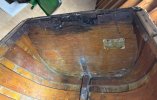
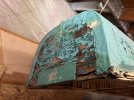
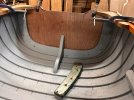
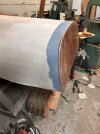
Here's a few pics of the transom. I'm sure the glass added to the outer edges was done as a repair as the person who did it didn't seem to own any sandpaper. I'm not sure about the 3 Steel L-Brackets on the interior. I suspect they were added as a repair, but the fact that some are through-bolted makes me wonder. The transom is about 1.25" thick
 

Attachments

  • L.A.Picard_canoe-Transom-02.jpg
    L.A.Picard_canoe-Transom-02.jpg
    194 KB · Views: 22
  • L.A.Picard_canoe-Transom-01.jpg
    L.A.Picard_canoe-Transom-01.jpg
    197.8 KB · Views: 22
  • L.A.Picard_canoe-Transom-03.jpg
    L.A.Picard_canoe-Transom-03.jpg
    211.2 KB · Views: 22
Ah, okay. no inner frame, just nailed through the furthest end of the planking and rib, and knees to hold it. take it all apart being careful with the last piece of rib, and whoever glassed it relied on the overlap as well. if it were mine i would make the transom knee and the gunwhale knee out of hardwood, nicer looking than the steel brackets. canvas or fiberglass will need to be brought around to the transom to wateproof the joint where the planks attach since there was no inner bracket. More usually the covering will wrap around then the transom board will go on last, but its not a problem to do it that way. will be a nice canoe when its done

 
this is a better way to build, but that way will work just fine as well. the builder didnt bother with an inner frame but between the brackets , plank fastening and glass its all good
 

Attachments

  • IMG_6620.jpeg
    IMG_6620.jpeg
    404.9 KB · Views: 14
  • IMG_6615.jpeg
    IMG_6615.jpeg
    437.1 KB · Views: 14
  • IMG_6610.jpeg
    IMG_6610.jpeg
    392.6 KB · Views: 14
Constructoin details are always interesting, and there are usually multiple good ways to do things. That said, why is the above method "better"? It appears that the same amount of wood is in contact with the hull whether the contact is made directly by the transom or rather by an inner frame with to which the transom is mounted outside the frame. An inner frame should provide mo more strength (at the junction with the hull) than the transom itself, except that there is simply more wood with the transom and the frame. T

he wooden brackets and the metal brackets may provide similar strength. The metal is probably inherently stronger but the larger wooden brackets spread the load of forces over a larger area of the gunwales and floor (and I just like the wooden brackets - they are traditional and look nice).

Finally, grain orientation probably matters too. in solid wood transoms, horizontal grain will stand up better to the forces from a motor than would vertical grain.

Both methods for transom mounting probably work just fine.
 
Ah, okay. no inner frame, just nailed through the furthest end of the planking and rib, and knees to hold it. take it all apart being careful with the last piece of rib, and whoever glassed it relied on the overlap as well. if it were mine i would make the transom knee and the gunwhale knee out of hardwood, nicer looking than the steel brackets. canvas or fiberglass will need to be brought around to the transom to wateproof the joint where the planks attach since there was no inner bracket. More usually the covering will wrap around then the transom board will go on last, but its not a problem to do it that way. will be a nice canoe when its done
yeah, I had the same thought about making hardwood knees. I've got some half-inch okume. I'm thinking I'll epoxy & glass two pieces together for the new transom.
 
That said, why is the above method "better"? Mostly as there is no way to capture a traditional canvas covering , so they shortcut the whole thing with plywood and glassed around it rather than frame it
 
Back
Top