Hello!
First post, but I’ve visited the forum and found it a great source of info. I Appreciate all the knowledge and experience that has been shared.
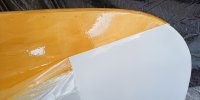
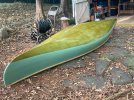
Given all the knowledge and experience, I am very curious to know if anyone has used shellac on the bottom of a strip canoe.
All the reasons for using it on a wood and canvas canoe would seem to apply. I know that many or most like a bright finish on all sides of their strip canoe, and maybe the blotchy opaque brown is an instant deal breaker for them. I get that, but it’s just not an issue for me. I painted the outside of mine, and I ‘m fine with the way shellac looks on a canoe. I am more concerned with the benefits of (1) a slippery surface and scratch resistance and (2) simple maintenance.
Is there anyone out there who has done this or seen it done who would share their experience? Or can anyone at all see a good reason not to bother that I am overlooking? Does the hard surface of a strip canoe perhaps diminish the reported benefits on a more flexible wood canvas boat?
Thanks for any and all thoughts!
First post, but I’ve visited the forum and found it a great source of info. I Appreciate all the knowledge and experience that has been shared.
Given all the knowledge and experience, I am very curious to know if anyone has used shellac on the bottom of a strip canoe.
All the reasons for using it on a wood and canvas canoe would seem to apply. I know that many or most like a bright finish on all sides of their strip canoe, and maybe the blotchy opaque brown is an instant deal breaker for them. I get that, but it’s just not an issue for me. I painted the outside of mine, and I ‘m fine with the way shellac looks on a canoe. I am more concerned with the benefits of (1) a slippery surface and scratch resistance and (2) simple maintenance.
Is there anyone out there who has done this or seen it done who would share their experience? Or can anyone at all see a good reason not to bother that I am overlooking? Does the hard surface of a strip canoe perhaps diminish the reported benefits on a more flexible wood canvas boat?
Thanks for any and all thoughts!