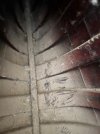
If you do fiberglass it, use epoxy resin this time. Clear resin can be used, but it is much more vulnerable to UV damage, which will eventually destroy the varnish and eventually, the resin. A couple coats of decent paint will stop UV at the surface and is a much more practical way to finish the job. One thing to know is that any spaces between planks will need to be blocked or filled before glassing. Otherwise, the resin will drain through the cracks as you apply it, leaving what looks like screen wire over those spaces. Trying to fix that after it hardens is really difficult. On one boat, Norm Sims and I used essentially black body putty in the plank gaps before glassing the hull. Something water-based which could be washed out later might also work as a temporary filler.
This is my 1972 Guide Special that I special ordered keelless/canvas covered. About a year later the canvas split vertically on one side near the middle. It had been torn at the factory and somebody patched it with some sort of putty and sent it out as a brand new first quality boat. Warranty said that the buyer had to pay shipping both ways to send it back for repair, and that wasn't going to happen, so I bought canvas and filler. There was no forum back then and the "official" Old Town recanvasing instructions just said "Stretch canvas until tight all around." That was all it said.
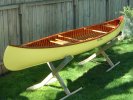
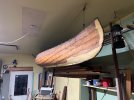
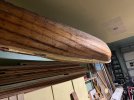
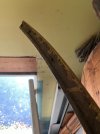
After fooling around for a whole day, I still had some wrinkles. I filled it, but it looked pretty bad. I eventually took it off and the hull hung naked in the garage for many years while I worked on other stuff. When I did decide to get it back in the water, I decided to fiberglass it, which was something I had plenty of experience with from building strippers. It is WEST Epoxy with 6 oz fiberglass - having a full layer over a second layer on just the bottom and about four layers over the stems and painted with enamel. So, it can be done, but parts of the process can be tricky and it's probably not a good first fiberglassing project.